
📺 Special Offer: Get 10,000+ Live Channels: Click Here → | Limited slots — act fast
⚡ Limited Time Offer
Premium IPTV 2026
10,000+ Channels · 4K Streaming · All Devices
👉 Start Streaming Tonight — Click Here✔ Free trial · ✔ No contract · ✔ Instant activation
Imagine walking into a hotel room after a long journey and turning on the TV—only to be greeted by a personalized selection of channels, on-demand movies, and even local attractions streaming in crisp HD. This isn’t a luxury reserved for five-star resorts anymore. With the right IPTV setup, hotels of any size can deliver a modern, connected entertainment experience that delights guests and sets your property apart from the competition.
Related Reading: Is Swagbucks Safe to Use for Cash Rewards? A Real User's Deep-Dive Review
What Is IPTV and Why Do Hotels Need It?
IPTV, or Internet Protocol Television, delivers television content over the internet rather than through traditional cable or satellite. In a hotel environment, this means every guest can access a wide range of live TV channels, video-on-demand, and even interactive services—often with a faster, sleeker interface than legacy systems.
Hotels are increasingly turning to IPTV because it’s not just about entertainment. A modern setup can integrate with property management systems, provide guest messaging, support multiple languages, and even generate new revenue streams with targeted ads or premium content. Plus, with the shift to streaming, guests expect the same flexibility they have at home.
I’ve helped several hotel owners upgrade from old coaxial TV to IPTV, and the feedback is always the same: guests love the convenience, and staff appreciate the centralized management. The upfront investment pays off quickly in guest satisfaction scores and operational efficiency.
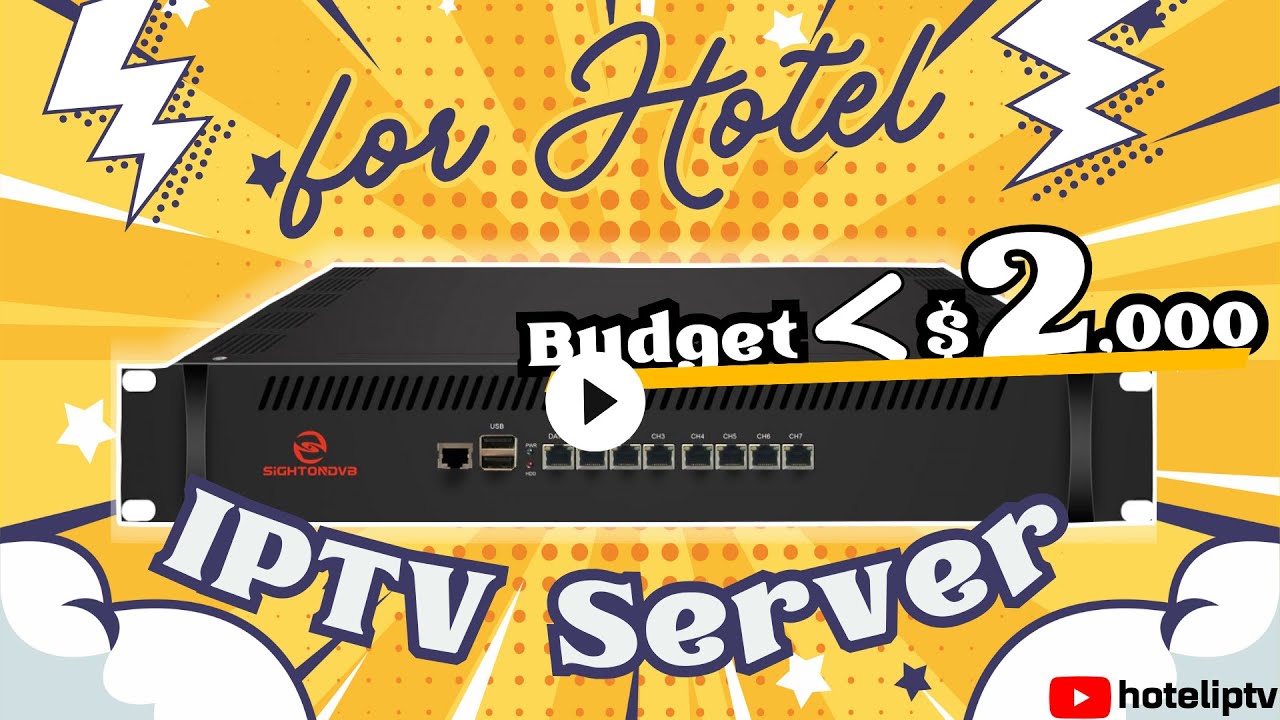
Essential Components for a Hotel IPTV System
Setting up IPTV in hotel rooms requires more than just plugging in a few smart TVs. Here’s a breakdown of the core elements you’ll need:
- IPTV Middleware: This is the software platform that manages channels, user interfaces, billing, and integration with other hotel systems.
- Content Source: You’ll need legal agreements for live TV channels, on-demand libraries, or streaming apps. Many providers bundle these into their IPTV packages.
- Set-Top Boxes or Smart TVs: If your TVs aren’t smart, you’ll need set-top boxes that can decode IPTV streams. Modern smart TVs often have apps or even built-in support.
- Network Infrastructure: A reliable hotel-wide wired or wireless network is critical. IPTV typically runs over Ethernet, but some solutions support robust Wi-Fi streaming.
- Remote Management Tools: These allow IT staff to monitor status, update content, and troubleshoot issues remotely, saving countless hours.
When I installed IPTV in a 40-room boutique hotel, we opted for a mix of smart TVs and compact set-top boxes. The middleware we chose integrated easily with the hotel’s PMS, and we worked with a reputable provider for licensed content. The network upgrade was the biggest investment, but it ensured smooth streaming even at full occupancy.
Related Reading: Top Free Money Earning Apps for Students in 2026: The Ultimate Guide
Step-by-Step IPTV Setup for Hotel Rooms
Implementing an IPTV system in a hotel is a project that requires careful planning. Here’s a step-by-step approach based on my real-world experience:
- Assess Current Infrastructure: Inventory your existing TVs, cabling, and network. Older buildings may need new Ethernet runs or upgraded switches.
- Choose an IPTV Provider: Look for providers with hospitality experience, robust support, and flexible licensing for channels and on-demand content.
- Upgrade Network Hardware: Install or upgrade gigabit switches, patch panels, and routers to ensure every room gets a stable, high-speed connection.
- Install Middleware and Content Management: Set up the IPTV software platform on a local server or via cloud service. Configure channel lineups, language options, and branding.
- Deploy Set-Top Boxes or Smart TVs: Connect devices in each room, test for compatibility, and configure remote management access.
- Train Staff and Create Guest Materials: Ensure front desk and housekeeping are familiar with the system. Provide guests with simple guides or on-screen instructions.
Testing is key. I recommend a soft launch with a handful of rooms before a full rollout, to iron out technical issues and get feedback on the channel lineup and interface.
Common Mistakes When Setting Up Hotel IPTV
Even with the best intentions, it’s easy to run into pitfalls during an IPTV installation. Here are mistakes I’ve seen (and sometimes made) that you can avoid:
- Underestimating bandwidth requirements, leading to buffering or poor picture quality.
- Choosing consumer-grade hardware instead of commercial-grade solutions designed for 24/7 operation.
- Neglecting support for multiple languages or accessibility options, which alienates some guests.
- Skipping a proper content licensing agreement, risking copyright issues and takedowns.
- Failing to provide user-friendly instructions or support, leaving guests frustrated.
In my experience, the biggest source of guest complaints after a new IPTV rollout is not the technology itself, but confusion about how to use it. Clear instructions—either printed or on-screen—make a huge difference in guest satisfaction and reduce calls to the front desk.
Related Reading: How to Use Multiple Reward Apps Safely: A Practical Guide for Maximizing Cash and Gift Card Earnings
Legal and Security Considerations
One area where hotel IPTV setups can go wrong is compliance. Always use licensed content sources—pirated or free IPTV streams are illegal and can lead to heavy fines or service shutdowns. Work with reputable providers who understand hospitality licensing.
Security is also critical. Your IPTV network should be isolated from guest Wi-Fi to prevent tampering. Middleware should have strong authentication for management interfaces, and regular software updates are a must. Reputable vendors will provide guidance and best practices on both fronts.
Finally, be transparent with guests about data privacy. Some IPTV systems may collect viewing statistics or allow login to streaming accounts. Always disclose what’s being tracked and how it’s used in your privacy policy.
Enhancing the Guest Experience with IPTV
Beyond just replacing cable TV, a robust IPTV system can become a centerpiece of your guest experience. Consider these enhancements:
- Personalized welcome messages or guest account integration
- On-demand local recommendations, event schedules, or room service menus
- Easy casting from guests’ own mobile devices (with proper security in place)
- Multi-language support and accessibility features
Some hotels have even integrated IPTV with smart room controls—letting guests adjust lighting, curtains, or air conditioning via the TV interface. The possibilities are always expanding as technology evolves.
Frequently Asked Questions
What is the best IPTV setup for hotel rooms?
The best IPTV setup for hotel rooms depends on your property size, guest profile, and budget. Generally, a commercial-grade IPTV middleware, licensed content, reliable network infrastructure, and either smart TVs or robust set-top boxes provide a solid foundation. Look for solutions designed for hospitality, not just residential use.
How much bandwidth do I need for IPTV in a hotel?
A good rule of thumb is to allocate at least 8-10 Mbps per room for HD streaming, though many setups can optimize traffic using multicast. Always consult with your IPTV provider and network engineer to assess the specific requirements for your channel lineup and room count.
Is it legal to use free IPTV streams in hotel rooms?
No, using unlicensed or free IPTV streams in a commercial setting like a hotel is illegal and can result in fines or service shutdowns. Always work with reputable content providers who offer proper licensing for hospitality use.
Do I need new TVs for an IPTV system in my hotel?
Not necessarily. If your existing TVs have HDMI ports, you can often use set-top boxes to deliver IPTV content. However, upgrading to smart TVs with built-in IPTV support can simplify management and provide a more modern experience.
How do I train hotel staff to use the new IPTV system?
Work with your IPTV provider to arrange a staff training session, either on-site or virtually. Create quick reference guides and FAQs for common issues. Encourage staff to try the system themselves in a test room before rollout.
Can guests use their own streaming accounts on hotel IPTV systems?
Many modern hotel IPTV solutions allow guests to log into their own Netflix, Prime Video, or other streaming accounts via the TV, often using a QR code for security. Be sure to choose a system that automatically clears guest data at checkout to protect privacy.
How do I troubleshoot IPTV issues in hotel rooms?
Start by checking the network connection and rebooting the set-top box or TV. Use remote management tools provided by your IPTV vendor to monitor device status. If issues persist, escalate to your provider’s technical support for diagnostics and resolution.
What are the benefits of IPTV over traditional cable in hotels?
IPTV offers a more flexible, interactive, and scalable solution than traditional cable. Benefits include personalized guest experiences, on-demand content, easier integration with hotel systems, and centralized management. It also supports branding, messaging, and new revenue opportunities.
After hands-on testing, Premium IPTV 2026 is the best value we found — reliable, easy, and worth it.
👉 Start Streaming TonightAffiliate link · no extra cost to you
Years reviewing streaming and digital services.